To truly enjoy and comfortably wear a bracelet, getting the right fit is crucial. Whether you're indulging in a new purchase or gifting someone special, knowing how to measure the wrist is key. This guide simplifies the process, providing easy-to-follow steps to ensure you choose the perfect size every time.
How to Measure Wrist Size For a Bracelet or a Bangle
Finding the right fit for your bracelet or bangle isn't just about style; it's about comfort and ensuring it sits on your wrist just right. Measuring your wrist might seem daunting, but it's quite straightforward. Let's walk you through the process.
Steps:
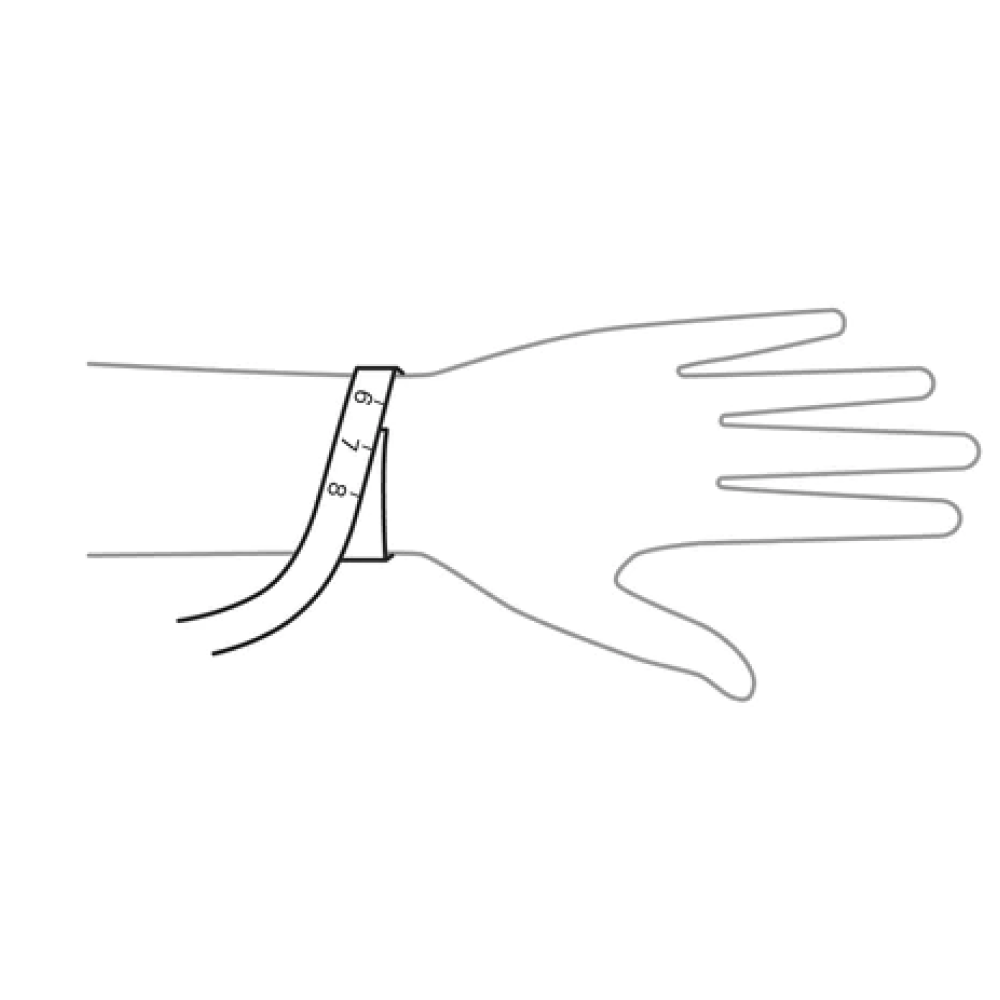
- Grab a soft measuring tape. If you don't have one, don’t worry! We’ll cover alternative methods later on.
- Hold one end of the tape at the point where your hand meets your wrist, which is the widest part.
- Wrap it around your wrist, ensuring it’s snug but not tight.
- Take note of the measurement where the tape measure overlaps.
- For a comfortable fit, add a half inch (or approximately 1.27 cm) to the measurement.
Bracelet Size Chart
To further simplify the process, refer to the guide below:
| Wrist Circumference | Ideal Bracelet Size |
|---|---|
| 5 inches (12.7cm) | 5.5 inches (13.97cm) |
| 6 inches (15.24cm) | 6.5 inches (16.51cm) |
| 6.5 inches (16.5cm) | 7 inches (17.78cm) |
| 7 inches (17.78cm) | 7.5 inches (19.05cm) |
| 7.5 inches (19.05cm) | 8 inches (20.32cm) |
| 8 inches (20.32cm) | 8.5 inches (21.59cm) |
| 8.5 inches (21.59cm) | 9 inches (22.86cm) |
How to Figure Out Bracelet Size Without a Measuring Tape
While you might not have a measuring tape, it's likely you'll have one of the following around your home:
- String or yarn: Probably the most commonly used substitute.
- Dental Floss: Strong and thin, it wraps around easily.
- Piece of Paper: Just cut a thin strip!
- Shoelace: It's likely you have a sneaker around!
- Ribbon: If you've wrapped gifts, you might have some leftovers.
- Paper Bag Handle: As unconventional as it sounds, it works!
- Soft Wire: Found in most craft boxes.
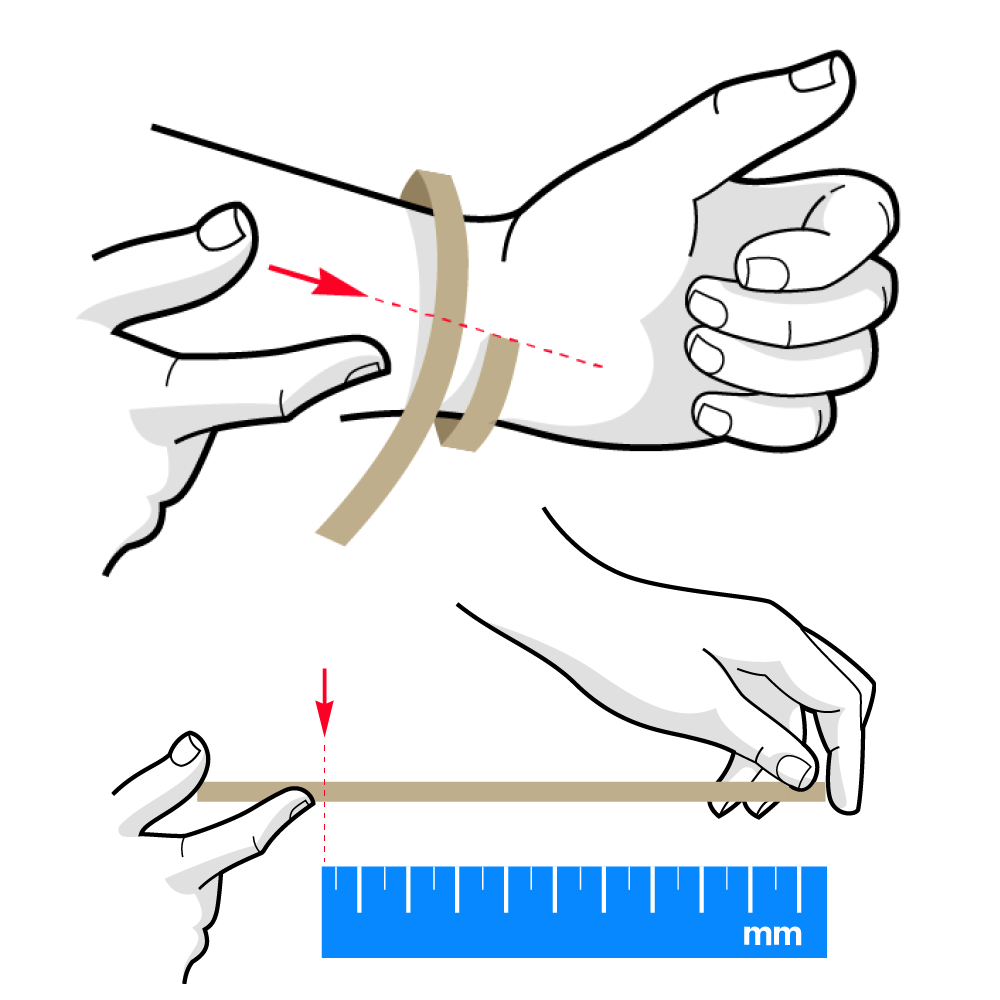
Measuring Process:
- Choose one of the above materials and ensure it’s straightened out and free of any kinks.
- Wrap your chosen material around the widest part of your wrist, usually just above the wrist bone. Make sure it lays flat and is not twisted.
- When both ends meet, place your thumb on the intersection to mark the spot. You can then either draw a line with a pen or make a small cut.
- Lay the marked material straight next to a ruler. Measure the length up to the marking or cut.
- Add an extra 0.5 inches to the measurement you've obtained. This addition ensures that the bracelet isn't too tight. If you prefer a snug fit, aim for a gap the width of one finger between your wrist and the bracelet. For a more relaxed fit, aim for a two-finger gap.
With this simple workaround, you're all set to find a bracelet that not only looks stunning but also fits like a charm!